
Atomic Bombings and Local WWII Connections Highlighted in Archives
On August 6, 1945, the U.S. dropped an atomic bomb on Hiroshima, Japan, during the final days of World War II. This event, along with a subsequent bombing of Nagasaki, contributed to Japan's surrender and the end of the war.…
 Salt Lake City, UT, August 6, 2026 —
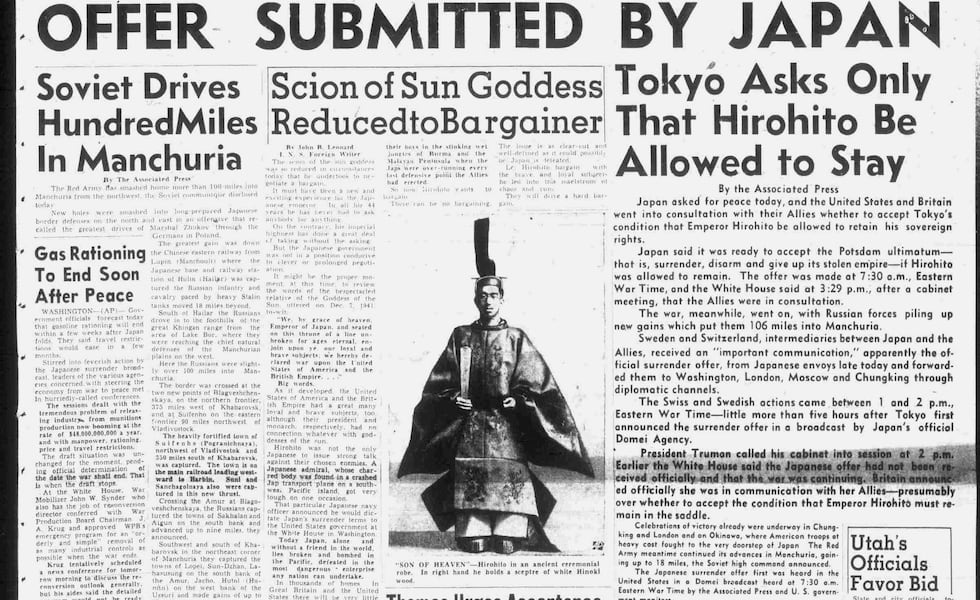
On August 6, 1945, the United States detonated an atomic bomb over Hiroshima, Japan, a pivotal moment in the concluding stages of World War II. This act, followed by a second atomic bombing of Nagasaki, is widely recognized as a significant factor in Japan’s eventual surrender, marking the end of the global conflict.
Archival records from the Deseret News offer a look back at this critical period in history. These archives not only detail the significant wartime events but also shed light on local connections to the broader military efforts. Specifically, the records touch upon activities and personnel associated with the Wendover Army Air Corps base.
The base at Wendover, Utah, played a role in the aerial operations during the war. While the specific missions and contributions of the Wendover base in relation to the atomic bombings are not detailed in the provided summary, its existence during that era connects the local region to the national and international scope of World War II.
The impact of the atomic bombings on Hiroshima and Nagasaki was profound, leading to immense destruction and loss of life. These events remain subjects of historical study and reflection regarding their role in concluding the war and their long-term consequences.
The preservation of such historical details within the Deseret News archives allows for a deeper understanding of not only major historical turning points but also the local infrastructure and communities that supported the war effort.
Story summarized from the original created by Chris Miller on www.deseret.com, see more information here.
Media gallery
