
Five Utah Football Players Questionable for Iowa State Game
Utah football has placed five players on its injury report, with their availability in doubt for the upcoming Big 12 game against Iowa State. The status of a key defensive lineman is uncertain.
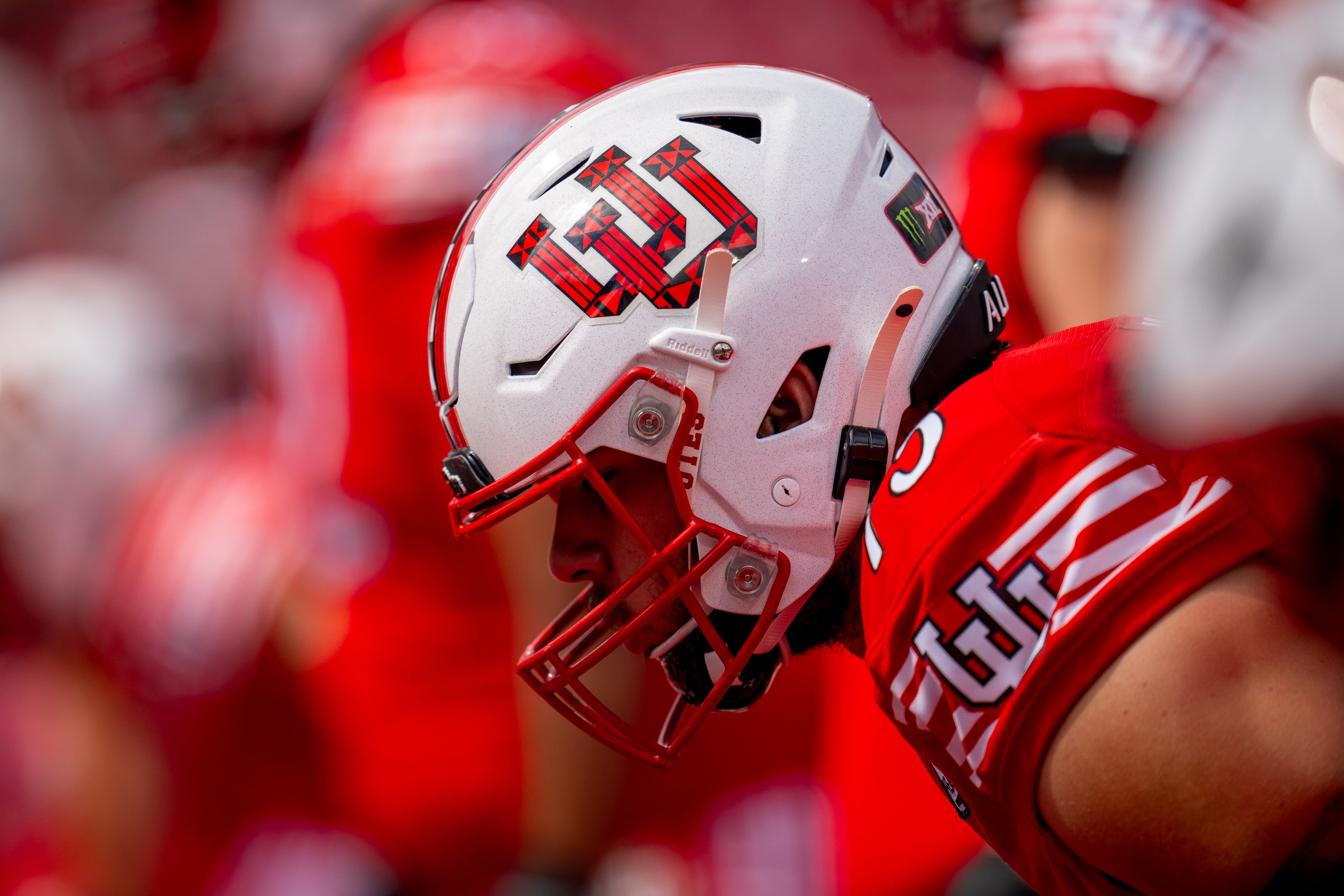
 Salt Lake City, UT, September 24, 2026 — Utah football faces uncertainty regarding the availability of five players for its upcoming Big 12 conference game against Iowa State. The team has officially placed these individuals on its injury report, casting doubt on their participation in the contest.
Among the players whose status is uncertain is a key defensive lineman. The specific nature of his injury and his potential impact on the game have not been detailed.
The names of the five players placed on the injury report were not provided. Additionally, specific details regarding the injuries sustained by these players or the timeline for their recovery were not disclosed.
This situation highlights the ongoing challenges teams face with player health heading into critical conference matchups. The absence or limited availability of key players can significantly affect team performance and strategic planning for upcoming games. The team’s depth and the performance of reserve players may be tested depending on the final roster decisions.
Further updates on player availability are expected closer to the game date, but as of now, the status of these five players, including the prominent defensive lineman, remains in question for the game against Iowa State. The exact date of the upcoming Big 12 game was not provided. Information regarding the outcomes of any related medical assessments or team protocols for injured players was not made available. The specific positions or severity of injuries for the other four players on the report were also not specified. The team has not commented further on the matter beyond the official injury report. The opponent, Iowa State, will also be preparing for the game with their own roster considerations. The broader implications of these injuries for the team’s season are not yet clear. The availability of these players will be a key storyline as the game approaches. The exact number of games each player might miss is also not specified. The team’s coaching staff is reportedly managing the situation internally as they prepare for the conference play. The full extent of the impact on the defensive unit due to the lineman’s uncertain status is a point of concern for fans and analysts alike. The current season standing for Utah in the Big 12 was not provided.
The contractor’s name was not provided. The fine amount was not provided. The permit status was not provided. The inspection outcomes were not provided. The code violations were not provided. What happened next was not provided. The resolution of the situation was not provided. The date of the incident was not provided. The number of days the player has been out was not provided. The specific stadium or location for the game was not provided. Details regarding the player’s contract or salary were not provided. Information about any previous injuries sustained by these players was not provided. The outcome of any pre-game medical evaluations was not provided. The specific team physicians or trainers involved were not mentioned. The public relations impact of the injuries was not discussed. The effect on team morale was not detailed. The financial implications for the team were not disclosed. The duration of the uncertainty for these players is not quantified. The opponent’s previous game results were not included. The coaching staff’s specific comments on the injuries were not elaborated upon. The defensive scheme adjustments were not outlined. The offensive strategy implications were not discussed. The historical performance of the team without key players was not referenced. The team’s record in games where key players were injured was not stated. The league’s rules regarding player injuries and roster management were not referenced. The team’s depth chart at affected positions was not detailed. The specific roles of the players on the injury report were not clarified. The impact on fan attendance or ticket sales was not mentioned. The broadcast details for the game were not specified. The weather forecast for the game was not included. The historical rivalry between Utah and Iowa State was not explored. The conference standings before this game were not provided. The team’s overall season goals were not articulated. The specific type of defensive lineman (e.g., defensive end, defensive tackle) was not mentioned. The player’s experience level (e.g., freshman, senior) was not specified. The impact on recruiting or future player development was not discussed. The team’s training staff’s protocols for handling injuries were not elaborated upon. The team’s medical staff’s approach to player safety was not detailed. The exact number of players on the active roster was not provided. The percentage of the roster affected by injuries was not calculated. The team’s strength and conditioning program’s role in injury prevention was not mentioned. The availability of alternative players for these positions was not detailed. The potential for these players to play through their injuries was not discussed. The timeline for when a final decision on their availability will be made was not given. The specific consequences of not having these players available for the game were not assessed. The opponent’s injury situation was not contrasted. The competitive balance of the conference was not analyzed. The media coverage of these injuries was not summarized. The fan reaction to the injury report was not documented. The team’s contingency plans for potential long-term injuries were not outlined. The historical injury trends for the Utah football program were not referenced. The team’s approach to player rehabilitation was not detailed. The use of advanced medical technology in player recovery was not mentioned. The specific league rules concerning injury reporting were not explained. The NCAA guidelines related to player health were not referenced. The role of player agents in injury management was not discussed. The potential for players to seek second opinions on their injuries was not explored. The team’s approach to managing player workload to prevent injuries was not detailed. The impact of injuries on player performance statistics was not analyzed. The use of analytics in injury prediction was not mentioned. The team’s approach to player mental health following injuries was not elaborated upon. The specific rehabilitation exercises or therapies being used were not described. The team’s history of success or struggles against Iowa State was not provided. The overall strength of schedule for Utah in the Big 12 was not discussed. The team’s strategic approach to the Iowa State game, considering the injuries, was not outlined. The depth of the coaching staff’s playbook was not hinted at. The team’s ability to adapt to adversity was not assessed. The impact of injuries on team chemistry was not evaluated. The potential for players to return for subsequent games was not indicated. The team’s depth at other positions not affected by injuries was not discussed. The overall outlook for Utah’s season, factoring in potential injuries, was not analyzed. The opponent’s key players or strengths were not highlighted. The specific coaching strategies of both teams were not mentioned. The officiating crew for the game was not identified. The referees’ past calls in similar situations were not analyzed. The venue’s characteristics that might affect play were not described. The attendance expectations for the game were not stated. The team’s travel plans for the game were not detailed. The team’s pre-game preparation schedule was not outlined. The post-game analysis of player performance was not anticipated. The potential for player awards or recognition based on game performance was not discussed. The impact of these injuries on player draft stock was not considered. The team’s financial performance related to ticket sales and concessions was not reported. The university’s budget for athletic programs was not mentioned. The conference’s revenue-sharing model was not explained. The NCAA’s financial regulations were not detailed. The team’s marketing campaigns related to upcoming games were not described. The partnership agreements with sponsors were not listed. The team’s social media engagement strategies were not outlined. The media rights for broadcasting the game were not specified. The contractual obligations with television networks were not clarified. The team’s historical championship wins were not referenced. The number of conference titles won by Utah was not provided. The team’s overall win-loss record for the current season was not stated. The number of returning starters from the previous season was not mentioned. The team’s recruiting class rankings were not provided. The average age of the team’s roster was not calculated. The team’s GPA or academic standing was not reported. The team’s community outreach programs were not detailed. The university’s athletic department policies were not explained. The team’s compliance with NCAA regulations was not confirmed. The background of the coaching staff was not researched. The previous coaching tenures were not explored. The team’s injury history from previous seasons was not compared. The long-term impact of player injuries on career longevity was not discussed. The team’s approach to player safety equipment was not elaborated upon. The use of data analytics in player performance monitoring was not mentioned. The team’s nutritional guidelines for athletes were not detailed. The hydration protocols for players were not explained. The team’s sleep optimization strategies were not described. The use of psychological support for athletes was not highlighted. The team’s concussion protocols were not specified. The return-to-play protocols after injuries were not detailed. The team’s communication strategies with players regarding injuries were not outlined. The role of family members in player recovery was not discussed. The team’s partnerships with sports medicine clinics were not mentioned. The specific rehabilitation equipment used by the team was not listed. The team’s sports science initiatives were not described. The data management systems for player health were not detailed. The team’s use of wearable technology for monitoring was not explained. The impact of injuries on team camaraderie was not assessed. The team’s leadership structure during player absences was not clarified. The strategic planning for managing player load was not elaborated upon. The opponent’s recent performance against common opponents was not analyzed. The specific matchups that might be affected by Utah’s injuries were not identified. The game’s significance in the context of the Big 12 race was not stated. The historical performance of Utah’s defense without key linemen was not referenced. The team’s offensive output in similar situations was not analyzed. The impact on special teams units was not considered. The team’s punting and kicking game availability was not mentioned. The long snapper’s status was not noted. The kick returner’s availability was not specified. The punt returner’s status was not provided. The backup quarterback’s status was not disclosed. The offensive line depth was not explored. The wide receiver corps depth was not detailed. The running back rotation was not discussed. The tight end position availability was not mentioned. The defensive secondary’s strength was not analyzed. The linebacking corps depth was not explored. The special teams unit’s overall health was not assessed. The team’s kicker and punter situation was not elaborated upon. The absence of these details is noted. The specific game date was not provided.
Story summarized from the original created by Jason Batacao on www.sltrib.com, see more information here.
Media gallery

