AI hype fades, but students still want smarter study tools
Quizlet reports that skepticism towards AI in education is growing among students, with many still seeking smarter
Press Release Disclaimer: This is a press release distributed through the XPR Media network. It has not been independently verified by our newsroom.



koldo_studio // Shutterstock
AI hype fades, but students still want smarter study tools
Skepticism toward AI in education is reaching an inflection point. A Gallup and Walton Family Foundation survey published in April 2026 found that Gen Z excitement about AI dropped 14 percentage points in a single year, with anger toward the technology rising by nine points, even among daily users.
Simultaneously, Education Week reports an ed-tech backlash is underway, with schools implementing “tech-free” days and parents voicing growing concerns about screen time. Most public educators surveyed (61%) say parents and caregivers feel there is too much technology in the classroom, and more than half say ed-tech is hindering students’ social and emotional development, behavior, mental health and overall well-being.
Against that backdrop, the 2026 How America Learns report from global learning platform Quizlet introduces an important nuance. The report is based on 2,017 U.S. respondents, including 1,005 students aged 14-22, 501 teachers at the high school or college level, and 511 parents of high school or college students. According to the report, students may be cooling on AI hype, but they are embracing specific AI benefits. This finding offers timely insights into the best educational use cases for AI as parents, teachers and students navigate ed-tech adoption heading into the 2026-2027 school year.
AI’s sweet spot is personalized learning
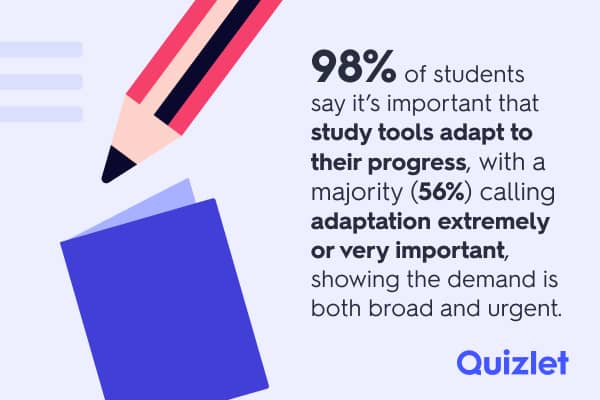
Quizlet’s annual research report found nearly all of the 1,005 students surveyed this year (98%) say it’s important for study tools to adapt to their learning progress, with more than half calling adaptation extremely or very important. Flexibility was reported as the single most valuable benefit of digital learning across all respondents, including students, parents and high-school and college-level teachers across the U.S.
Quizlet
In fact, 71% of teachers agree that AI specifically is effective in supporting students to learn in a way that works for them. When asked if there is a place for digital tools in education (including AI), an overwhelming 90% of all respondents agree there is. More than four out of five (82%) believe demonstrable experience with AI tools will be important for graduating students to get into college or land a good job. And yet, a third of all respondents say schools are not adequately preparing students for success beyond the classroom.
Matching AI use cases to student needs
Despite the identified opportunities and advantages for AI, this year’s How America Learns report found that AI enthusiasm is waning, especially among students themselves. Teachers and parents are nearly twice as likely as students to view AI positively (47% vs. 25%), indicating that the students actually using these tools day-to-day have the deepest reservations.
Student skepticism may be due to a misalignment between current classroom use cases for AI and where students actually need support. While 38% of teachers report using AI to generate classroom materials, and 35% say this is the most helpful way for AI tools to support students in the classroom, students themselves are not seeing those benefits directly.
Quizlet
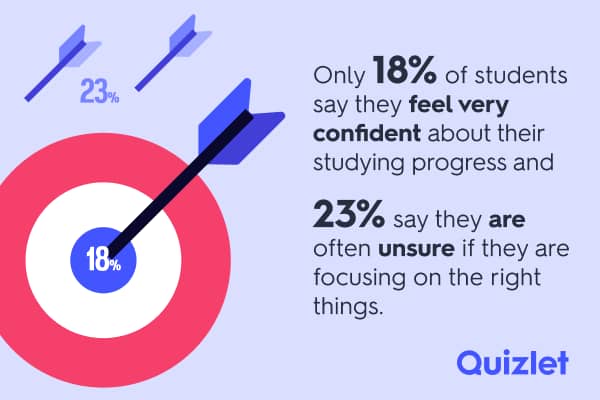
Fewer than one in five students are very confident in their studying progress, and nearly one in four feel unsure they’re concentrating on the right things. In short, today’s students aren’t sure they’re learning the right things for their next test. It’s that level of personalized support where AI has the potential to make a significant impact.
Quizlet
AI benefits remain steady despite the opportunity to improve
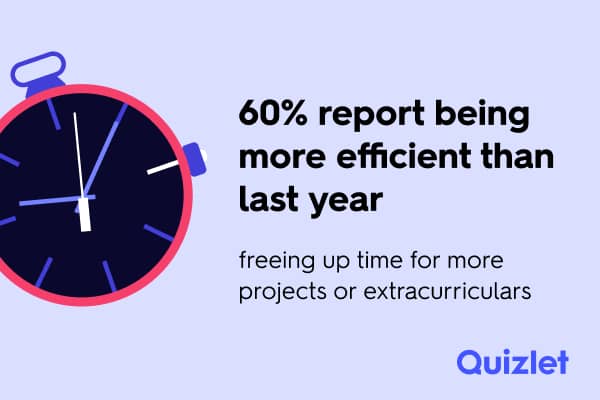
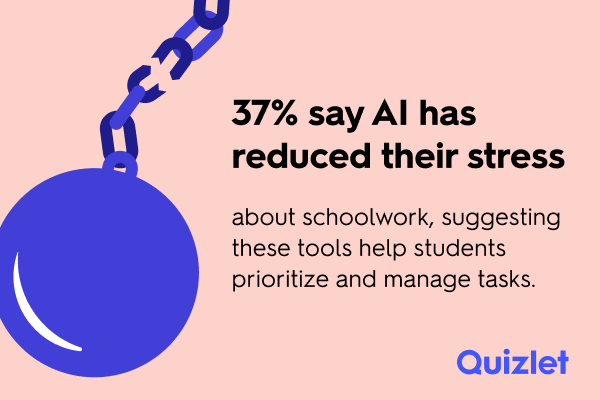
Despite their reservations, roughly 85% of high school and college students report using AI for school assignments. Among this group, 60% report that AI tools help them work more efficiently, and 37% say it reduces their stress.
Quizlet
As students head back to school across the country, this year’s How America Learns report findings reveal how educators, students and parents can ensure AI best supports learning. AI tools need to work alongside students as genuine learning guides, adapting to how each person likes to study and what they need to learn. Attitudes towards AI may be cooling in some respects, but a demand for flexible tools that adapt to each student and improve outcomes remains strong.
Methodology
Quizlet partnered with global research and communications firm Allison Worldwide, whose Performance + Intelligence team surveyed 2,017 U.S. respondents, 1,005 who are students aged 14-22, 501 who are teachers at either the high school or college level, and 511 who are parents of high school or college students. The survey was fielded using Forsta, and the panel was sourced from RepData. Fielding took place in March and April 2026.
This story was produced by Quizlet and reviewed and distributed by Stacker.