
Hidden Mold in Home Air Ducts Becoming a Growing Concern
A San Antonio duct cleaning company reports that humidity and attic ductwork are driving findings homeowners rarely
Press Release Disclaimer: This is a press release distributed through the XPR Media network. It has not been independently verified by our newsroom.
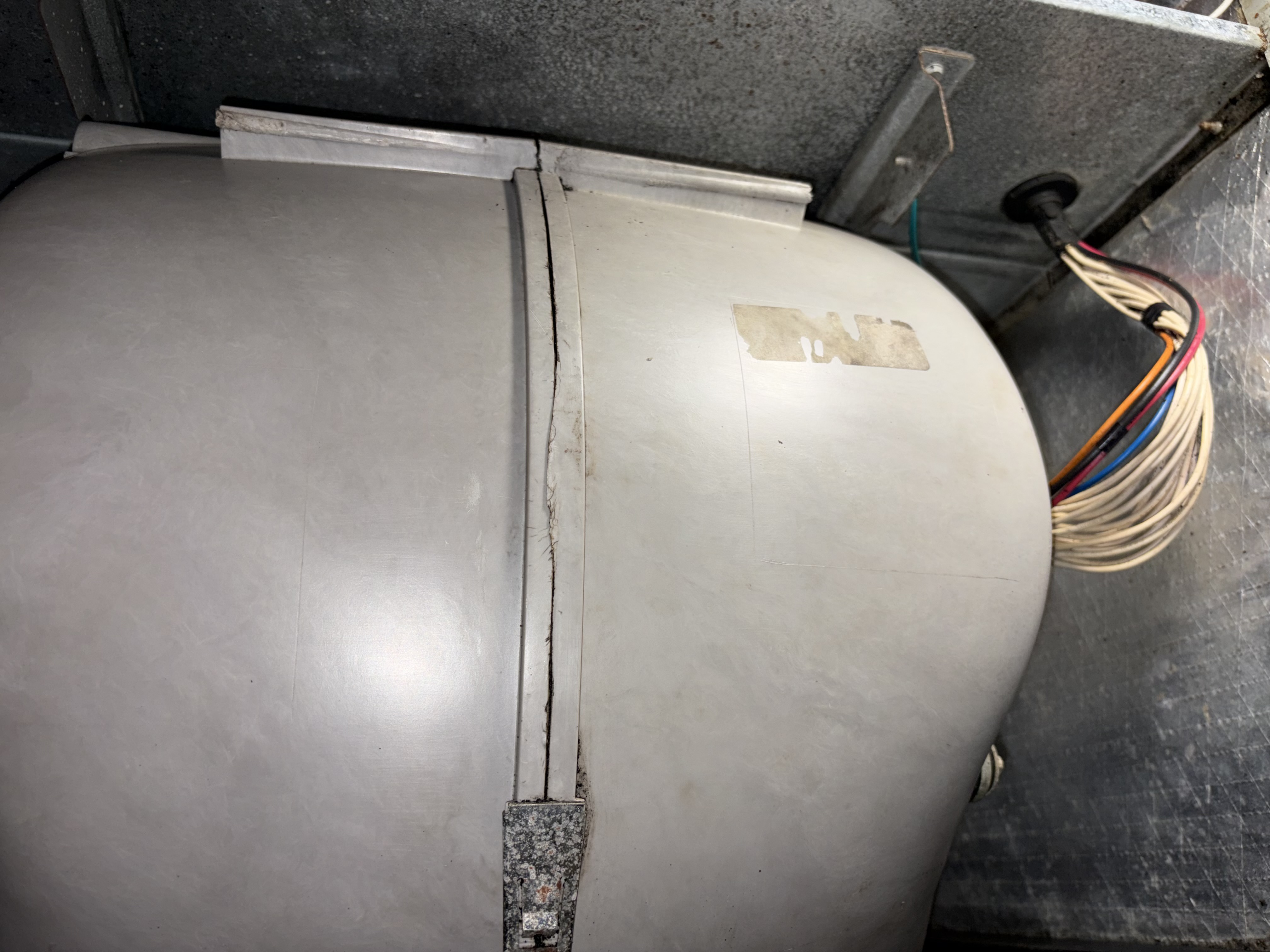

A San Antonio duct cleaning company reports that humidity and attic ductwork are driving findings homeowners rarely spot until the smell gives it away.
SAN ANTONIO, TX, UNITED STATES, August 25, 2026 /EINPresswire.com/ — America’s Best Duct Cleaning says mold and microbial growth inside residential HVAC systems is more common across South Texas than most homeowners assume, and that the conditions producing it are ordinary rather than exceptional.
The company, which services homes throughout the San Antonio metro, says the issue is rarely confined to one part of a system. Growth turns up at multiple points along the path air travels, and homeowners who inspect only what they can reach often miss the source entirely.
“It can typically be seen in the air handler, plenum, registers and the air ducts as well,” said David Delfeld of America’s Best Duct Cleaning.
Where It Forms
The pattern the company describes follows moisture. Every location where growth commonly appears is a place where water has somewhere to collect or a surface stays damp between cooling cycles.
The evaporator coil and the drain pan beneath it sit at the front of that list. That assembly is wet by design, since removing humidity from the air is part of what an air conditioner does, and any interruption in drainage leaves standing water directly upstream of everything the system distributes through the house.
The supply plenum is the next point of concern, where the coldest air in the system meets duct surfaces and condensation forms most readily. From there the ductwork itself, and eventually the registers, can show discoloration that a homeowner may notice without recognizing what it indicates.
Damp insulation is a particular difficulty. Once duct liner or wrap takes on moisture, the material holds it, and the combination of dampness and accumulated debris provides everything growth requires.
Why San Antonio Homes See It More
The company attributes the regional frequency to climate and system behavior working together rather than to any single failure.
“San Antonio’s hot, humid climate creates ideal conditions for mold and microbial growth inside HVAC systems,” Delfeld said. “During our long cooling season, air conditioners run frequently, creating condensation on the evaporator coil, drain pan, and other components inside the air handler.”
That moisture on its own would be manageable.
What changes the outcome, according to the company, is what the moisture meets.
“When that moisture combines with the dust, dirt, and organic debris that naturally enter the system, it creates an environment where mold can develop,” Delfeld said. “Poor drainage, clogged drain lines, and damp insulation can make the problem even worse.”
The length of the cooling season is a significant factor. In much of the country an air conditioning system runs for a handful of months and then sits dry for the rest of the year. Along the South Texas corridor the same system may run for the better part of nine months, which leaves far fewer opportunities for the interior of the system to dry out completely between cycles.
Drainage problems tend to develop quietly. A condensate line does not usually block all at once, and a partially restricted line will still drain, just more slowly and less completely than it should. The result is a drain pan that holds water longer than intended, in a warm and enclosed space, for months at a time.
What Homeowners Notice First
The company says the earliest indicators are things a homeowner can observe without any tools, provided they know what they are looking for.
“If you notice a musty or earthy odor when your AC runs, visible discoloration around vents, excess moisture, water around the air handler, or damp insulation, it is worth having the system looked at,” Delfeld said.
The odor is the signal most often dismissed. Because it tends to be strongest when the system first starts and fades as air continues to move, it is easy to attribute to something else in the room. An odor that appears and disappears in step with the air conditioner, rather than being present constantly, points toward the system rather than the house.
Water around the air handler deserves particular attention, since it usually indicates a drainage issue that will continue producing the conditions for growth until it is corrected.
Individual sensitivity to mold varies considerably, and the company notes that it is not in a position to make health determinations. Homeowners experiencing persistent symptoms are advised to consult a physician, and homes with extensive or structural growth to involve a licensed remediation contractor rather than relying on duct cleaning alone.
Guidance for San Antonio Homeowners
America’s Best Duct Cleaning recommends that homeowners check the condensate drain line seasonally rather than waiting for a backup, confirm that duct insulation is intact and dry, and have the air handler and plenum inspected rather than judging the system by what is visible at the registers.
The company also notes that cleaning addresses what is in the system, not what put it there. Where the underlying cause is a drainage problem, a duct leak, or equipment cycling in a way that never allows the system to dry, cleaning alone will not prevent the condition from returning.
About America’s Best Duct Cleaning
America’s Best Duct Cleaning is a San Antonio based company providing residential and commercial air duct cleaning, dryer vent cleaning and related indoor air quality services across the greater San Antonio area. Inspections can be scheduled through the company website or by phone.
David Delfeld
America’s Best Duct Cleaning and Sanitation
email us here
Visit us on social media:
Facebook
Legal Disclaimer:
EIN Presswire provides this news content “as is” without warranty of any kind. We do not accept any responsibility or liability
for the accuracy, content, images, videos, licenses, completeness, legality, or reliability of the information contained in this
article. If you have any complaints or copyright issues related to this article, kindly contact the author above.

Media gallery

