
Tree Tech Inc. Expands Tree Service in Newton, MA as Fall Hemlock Treatment Window Opens
With fall the best time to treat hemlock woolly adelgid and drought speeding hemlock decline, Tree Tech Inc. is
Press Release Disclaimer: This is a press release distributed through the XPR Media network. It has not been independently verified by our newsroom.
 Foxborough, MA / Storyteller / Sep 24, 2026 /
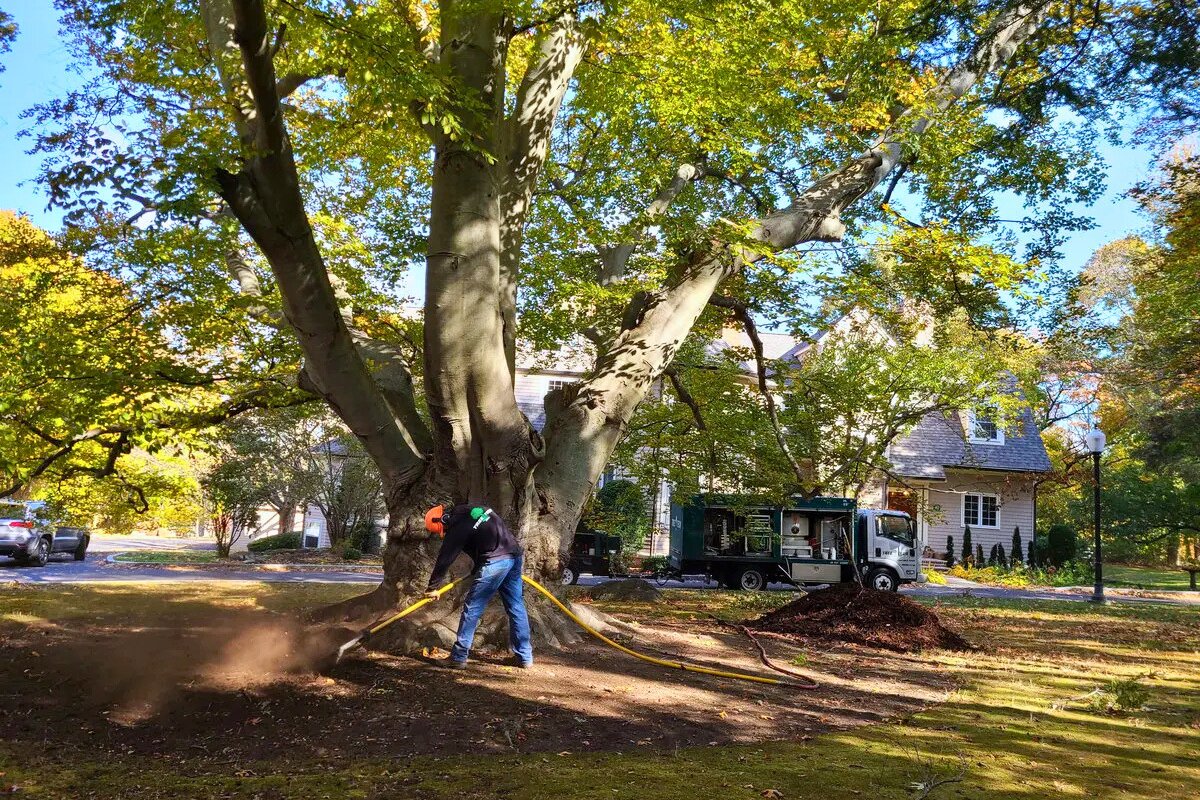
Tree Tech Inc. is expanding its tree service in Newton, MA this fall as the hemlock treatment window that Penn State Extension identifies as the most effective period for managing hemlock woolly adelgid opens across Middlesex County. That window runs from late September through October. It does not stay open indefinitely, and the conditions under which Newton and Wellesley hemlocks are entering it in 2026 make missing it more consequential than it would be in an average year.
The Massachusetts EEA declared Newton’s Northeast region at Level 2 Significant Drought on August 7, 2026. Wellesley sits at Level 1 Mild Drought under the same declaration. That matters because drought stress compresses the hemlock mortality timeline: healthy hemlocks with an active adelgid infestation typically decline over seven to ten years. Drought-stressed hemlocks die in three to five. The 2026 drought conditions across Newton and Wellesley determine whether a hemlock with adelgid pressure has time on its side or does not.
Tree Tech Inc. has been managing hemlock health across Newton, Wellesley, and the surrounding Middlesex County landscape long enough to know what the fall treatment window means for individual trees. The company is opening plant health care appointments now, while the treatment calendar and the inspection evidence align.
“Hemlock woolly adelgid and elongate hemlock scale often infest the same tree but need different treatments. A hemlock that gets the wrong product doesn’t get better. It just gets treated. Fall is when we identify what each tree actually has.”
— Tree Tech Inc.
Two Pests, One Tree, Two Different Treatments
Hemlock woolly adelgid feeds on sap at the base of hemlock needles, gradually depleting the tree’s resources. Penn State Extension’s June 2026 updated guidance identifies late September through October as the optimal treatment window, when adelgid crawlers, the life stage most vulnerable to treatment, are active.
Elongate hemlock scale is less visible but increasingly present on the same trees. It feeds on needle and twig tissue and responds differently to treatment. UMass Extension notes that imidacloprid, the standard adelgid treatment, does not control elongate hemlock scale. A tree receiving imidacloprid while carrying an undiagnosed scale infestation is receiving incomplete care. The adelgid pressure may ease while the scale continues to feed unchecked.
Tree Tech Inc.’s fall hemlock evaluations identify which pest or combination is present on each tree and build the treatment plan accordingly. That is what separates a treatment that works from a treatment that was applied.
What Drought Conditions Mean for Newton and Wellesley Hemlocks This Fall
Hemlocks under normal moisture conditions typically take seven to ten years to die from adelgid infestation. Hemlocks under drought stress die in three to five. The August 7, 2026 Massachusetts EEA drought declaration places Newton at Level 2 Significant Drought and Wellesley at Level 1 Mild Drought. Both conditions reduce the moisture buffer hemlocks rely on to sustain needle production and resist adelgid and scale feeding pressure.
A Newton hemlock that entered 2026 with a light to moderate adelgid infestation and adequate soil moisture may have had several seasons of viable canopy ahead of it without intervention. That same tree, after a Level 2 Significant Drought summer, may be operating on a compressed timeline that makes the fall 2026 treatment window more decisive than any previous season. Tree Tech Inc.’s Tree Tech’s tree and plant healthcare services are designed to account for that compression — evaluating where each hemlock actually is on its decline curve rather than applying a standard regional timeline to every tree on the property.
Hemlock Pest Identification
Tree Tech Inc.’s certified arborists distinguish hemlock woolly adelgid from elongate hemlock scale and identify which pest or combination is present on each tree. Findings determine the treatment protocol rather than a regional default.
Hemlock Woolly Adelgid Treatment
Tree Tech Inc. schedules fall treatment within the late September through October window that Penn State Extension identifies as optimal for the fall crawler generation.
Elongate Hemlock Scale Treatment
For hemlocks carrying elongate hemlock scale alongside adelgid or independently, Tree Tech Inc. applies the separate treatment protocol UMass Extension identifies as necessary. Properties where hemlocks have received previous adelgid treatment without a scale evaluation are strong candidates for this assessment.
Drought-Adjusted Plant Health Care
Tree Tech Inc.’s fall evaluations account for 2026 drought conditions across Newton and Wellesley, adjusting treatment urgency and timelines based on each tree’s current moisture stress rather than a standard regional mortality curve.
Broader Tree and Plant Healthcare
Beyond hemlock management, Tree Tech Inc.’s tree service in Newton, MA plant health care covers secondary pest and disease pressure, structural concerns, and plant health issues the 2026 growing season may have accelerated. To schedule a fall hemlock evaluation, visit treetechinc.net.
Frequently Asked Questions
What is the difference between hemlock woolly adelgid and elongate hemlock scale?
Hemlock woolly adelgid feeds at the base of needles and produces white woolly egg masses on branch undersides. Elongate hemlock scale feeds on needle and twig tissue and produces a harder, flattened covering. Both weaken hemlocks over time but require different treatments. Imidacloprid, the standard adelgid treatment, does not control elongate hemlock scale.
Why is late September through October the best time to treat hemlock woolly adelgid?
The fall generation of adelgid crawlers — the life stage most vulnerable to treatment — is active during this window. Treating during crawler activity increases efficacy compared to treatment applied outside it.
How does drought affect hemlock woolly adelgid timelines?
Healthy hemlocks typically decline over seven to ten years under adelgid infestation. Drought-stressed hemlocks decline in three to five. The 2026 drought declaration makes the fall treatment window more urgent for trees already carrying adelgid pressure.
Can a hemlock recover from hemlock woolly adelgid if treated?
Yes, in many cases. Hemlocks with sufficient remaining canopy and root health can recover after effective treatment, particularly when it begins before decline has progressed too far. Fall evaluation establishes where each tree is on that curve.
About Tree Tech Inc.
Tree Tech Inc. is a professional tree care company serving Newton, Wellesley, and the surrounding Middlesex County region. The company provides tree removal, tree trimming and pruning, hemlock pest management, tree and plant healthcare, and related services for residential and commercial properties. Tree Tech Inc.’s certified arborists bring direct experience with the invasive pest pressures, drought conditions, and site-specific plant health challenges facing Newton and Wellesley property owners in 2026. To schedule a fall evaluation or learn more, visit treetechinc.net.
###
Contact
Tree Tech Inc.
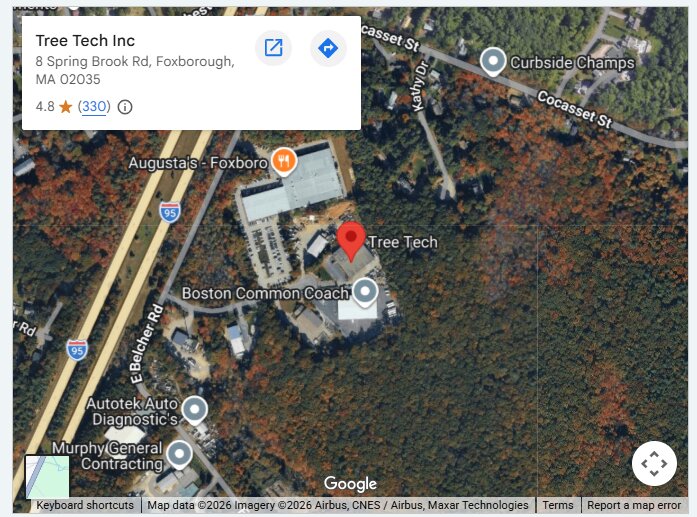
8 Spring Brook Road, Foxborough, MA 02035
508-543-5644
https://treetechinc.net/
diana@treecare.partners
Social Media:
Facebook: https://www.facebook.com/people/Tree-Tech-Inc/100063545384529/
Instagram: https://www.instagram.com/treetechinc/
YouTube: https://www.youtube.com/channel/UCPUDjV27KQTS-Yc6NC3yZwA
LinkedIn: https://www.linkedin.com/company/tree-tech-inc/
newsroom: news.38digitalmarket.com

