Simple Home Safety Improvements That Can Help Protect Your Family
CHARLOTTE, NC – X-Sense highlights the growing need for whole-home protection as fire behavior in modern households
Press Release Disclaimer: This is a press release distributed through the XPR Media network. It has not been independently verified by our newsroom.

CHARLOTTE, NC – X-Sense highlights the growing need for whole-home protection as fire behavior in modern households becomes increasingly unpredictable.
Home safety does not always require expensive renovations or complicated security systems. In many cases, a few simple improvements, regular inspections, and better household habits can make a meaningful difference. From maintaining electrical equipment to installing reliable alarms, homeowners can take practical steps to protect their families and property from common hazards.
A safe home begins with awareness. Families should regularly review different areas of their homes, identify possible risks, and correct problems before they become serious. The following improvements can help create a safer and more comfortable environment for everyone in the household.
Check Smoke and Carbon Monoxide Alarms
Smoke and carbon monoxide alarms are among the most important safety devices in any home. Smoke may provide a visible warning of fire, but carbon monoxide is colorless, odorless, and difficult to detect without the proper equipment.
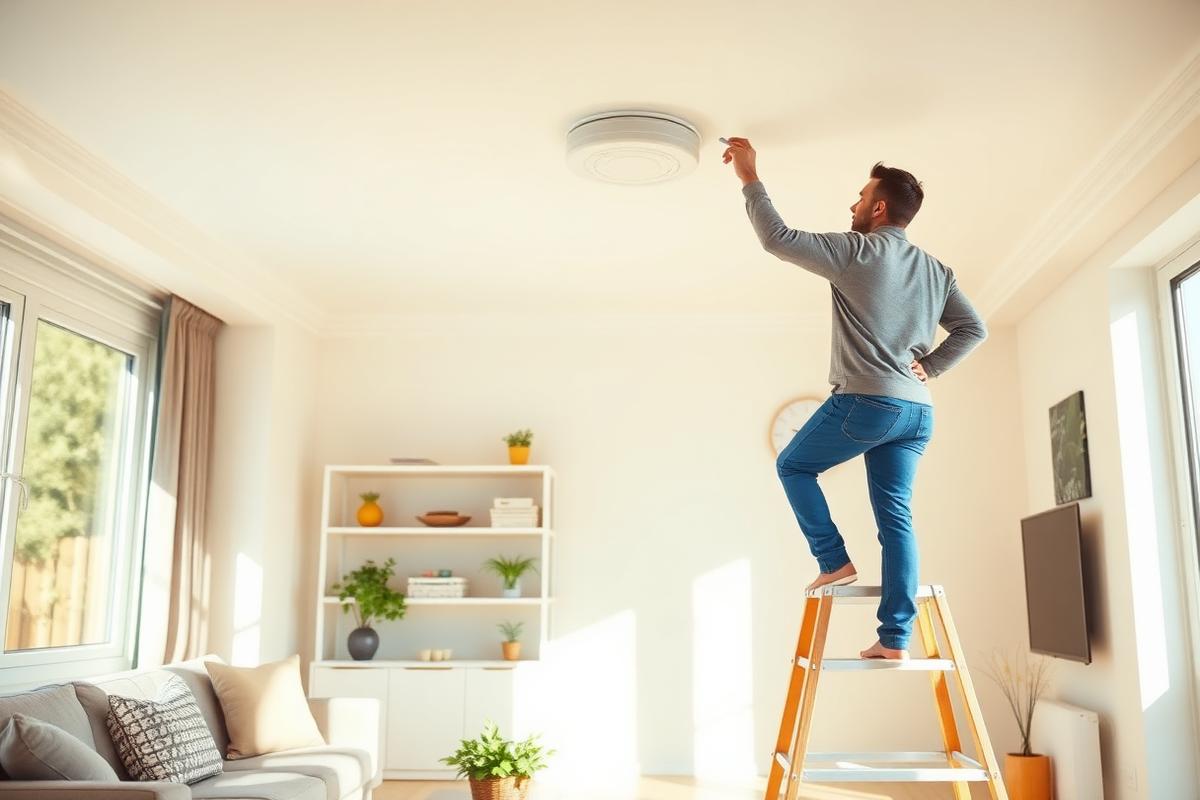
Homeowners should install alarms in suitable locations, including near sleeping areas and on every level of the property. Devices should be tested regularly, and batteries should be replaced according to the manufacturer’s instructions. Alarms that have reached the end of their recommended service life should also be replaced.
Some households may find it easier to use a combined smoke and carbon monoxide detector, which is designed to detect both hazards in a single unit. Combination alarms can simplify installation and maintenance while supporting broader household protection.
When selecting an alarm, homeowners should consider the size and layout of the property, available power sources, alarm placement, and whether interconnected or app-connected notifications would be useful.
Create and Practise a Fire Escape Plan
Every household should have a clear fire escape plan. Family members should know at least two possible exits from important rooms, particularly bedrooms and living areas.
Exit routes must remain free from boxes, furniture, bicycles, and other obstacles. Families living in multi-storey homes should also consider how they would safely leave upper floors during an emergency.
A suitable meeting point should be chosen outside the home, such as a nearby tree, mailbox, or another clearly visible location. This helps family members confirm that everyone has left the building safely.
Practising the plan can be especially valuable for households with young children, older adults, pets, or people with limited mobility. Emergency plans should be reviewed whenever the household layout or family circumstances change.
Reduce Electrical Hazards
Electrical problems can create both fire and injury risks. Homeowners should regularly inspect plugs, cables, power strips, chargers, and extension cords for visible damage.
Frayed wires, loose outlets, damaged plugs, unusual smells, sparks, or frequently tripping circuit breakers should not be ignored. Electrical repairs should be handled by a qualified professional rather than attempted without the proper training.
Extension cords should only be used as temporary solutions. Connecting multiple high-powered appliances to one outlet can place unnecessary pressure on the electrical system. Space heaters, irons, kettles, and similar appliances should be switched off and unplugged when they are no longer needed.
Improve Kitchen Safety
The kitchen is one of the busiest areas in the home and requires consistent attention. Cooking should never be left unattended, particularly when using oil, open flames, or high temperatures.
Flammable items such as kitchen towels, packaging, paper products, and curtains should be kept away from the stove. Pan handles should be turned inward to reduce the risk of accidental spills, especially in homes with children.
Families should also keep an appropriate fire extinguisher in an accessible location and learn how to use it. Grease fires should not be extinguished with water because doing so may spread burning oil.
Prevent Falls and Household Injuries
Loose rugs, wet floors, poor lighting, cluttered walkways, and unstable furniture can cause preventable injuries. Hallways and staircases should remain clear, while damaged flooring should be repaired promptly.
Non-slip mats can improve safety in bathrooms, kitchens, and entrance areas. Staircases should have secure handrails, and outdoor steps should be properly maintained.
Heavy furniture, televisions, and shelving units may need to be anchored to the wall, particularly in homes with small children. Medicines, cleaning products, tools, matches, and sharp objects should also be stored securely and kept out of children’s reach.
Consider Connected Alarm Systems
Larger homes may benefit from alarms that communicate with one another. In an interconnected system, when one alarm identifies a possible hazard, other connected units may also sound. This can help people in distant rooms or on different floors receive an earlier warning.
Smart systems may also send notifications to a mobile application. X-SENSE SC07-MR smart smoke and carbon monoxide alarm supports interconnected alerts through a base station and provides real-time app notifications. Features of this kind may be useful for people who want to monitor alarm activity while away from home.
However, connected features should support rather than replace a complete safety plan. Proper installation, regular testing, maintenance, and emergency preparation remain essential.
Maintain Heating and Fuel-Burning Equipment
Boilers, furnaces, fireplaces, gas heaters, and other fuel-burning appliances should be inspected according to professional recommendations. Blocked vents, poor ventilation, or faulty equipment may increase the risk of fire or carbon monoxide exposure.
Chimneys and fireplaces should be cleaned when required, while portable generators and outdoor cooking equipment must never be used inside the home, garage, or another enclosed space.
Make Safety a Regular Household Routine
Home protection is most effective when it becomes part of everyday life. Families can schedule monthly alarm tests, seasonal electrical checks, emergency-plan reviews, and routine inspections of doors, windows, heating equipment, and outdoor areas.
A simple checklist can help ensure that important tasks are not forgotten. Children should also be taught age-appropriate safety rules, including how to recognise an alarm, leave the home safely, and contact emergency services.
No single device or improvement can remove every household risk. However, combining reliable alarms, safe habits, regular maintenance, and a clear emergency plan can help families respond more quickly and confidently when problems occur.
Small, consistent improvements today can contribute to a safer home for years to come.