
East Germany Erects Berlin Wall, Dividing City and Symbolizing Cold War Tensions
On August 13, 1961, known as Barbed Wire Sunday, East Germany sealed the border between East and West Berlin, initiating the construction of a wall that would divide the city for 28 years. This action was taken to prevent East…
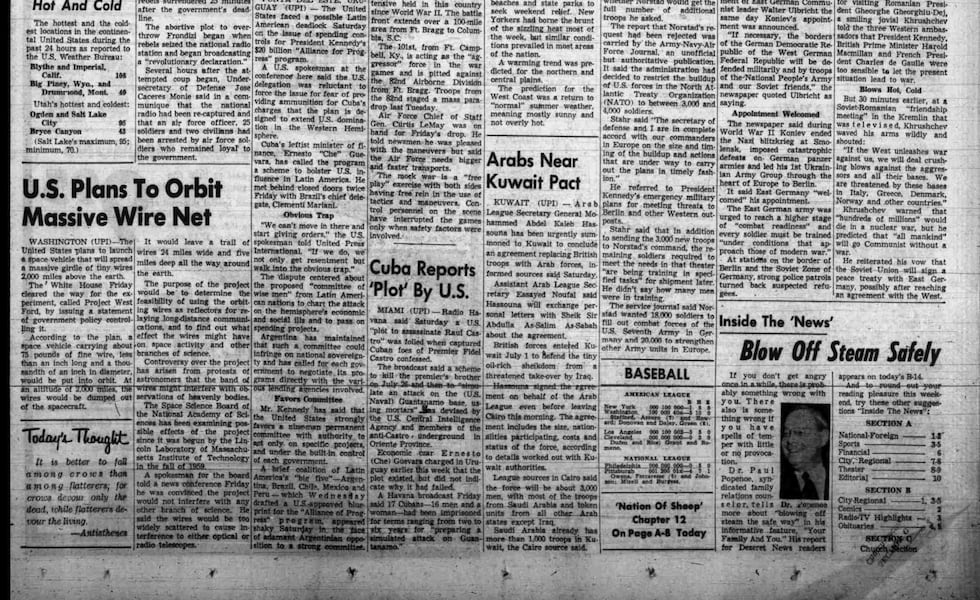
 Salt Lake City, UT, August 13, 2026 —
On August 13, 1961, a date that would become known as Barbed Wire Sunday, East Germany took drastic measures to seal its border with West Berlin. This marked the beginning of the construction of a barrier that would physically and ideologically divide the city for the next 28 years.
The East German government’s stated objective for erecting the wall was to prevent its citizens from defecting to the West. The sudden closure of the border, initially with barbed wire and temporary barriers, caught many residents by surprise and irrevocably altered the landscape and lives of Berliners.
The construction of the Berlin Wall became one of the most potent symbols of the Cold War, representing the stark division between the communist Eastern Bloc and the democratic West. Families, friends, and communities were split overnight by the heavily fortified border, which included guard towers, minefields, and armed patrols.
For nearly three decades, the Berlin Wall stood as a physical manifestation of the Iron Curtain. It was a constant reminder of the geopolitical tensions that characterized the post-World War II era. The wall’s eventual fall in November 1989 signaled a significant shift in global politics and paved the way for German reunification.
Story summarized from the original created by Chris Miller on www.deseret.com, see more information here.
Media gallery
