
The Remarried Empress Ending Explained: Navigating Royal Divorces and New Beginnings
The trending topic "Breaking Down the Ending of The Remarried Empress" discusses the K-drama adaptation of a popular webcomic, which features Empress Navier divorcing Emperor Sovieshu after he falls for a slave named Rashta. Navier finds love and a new…

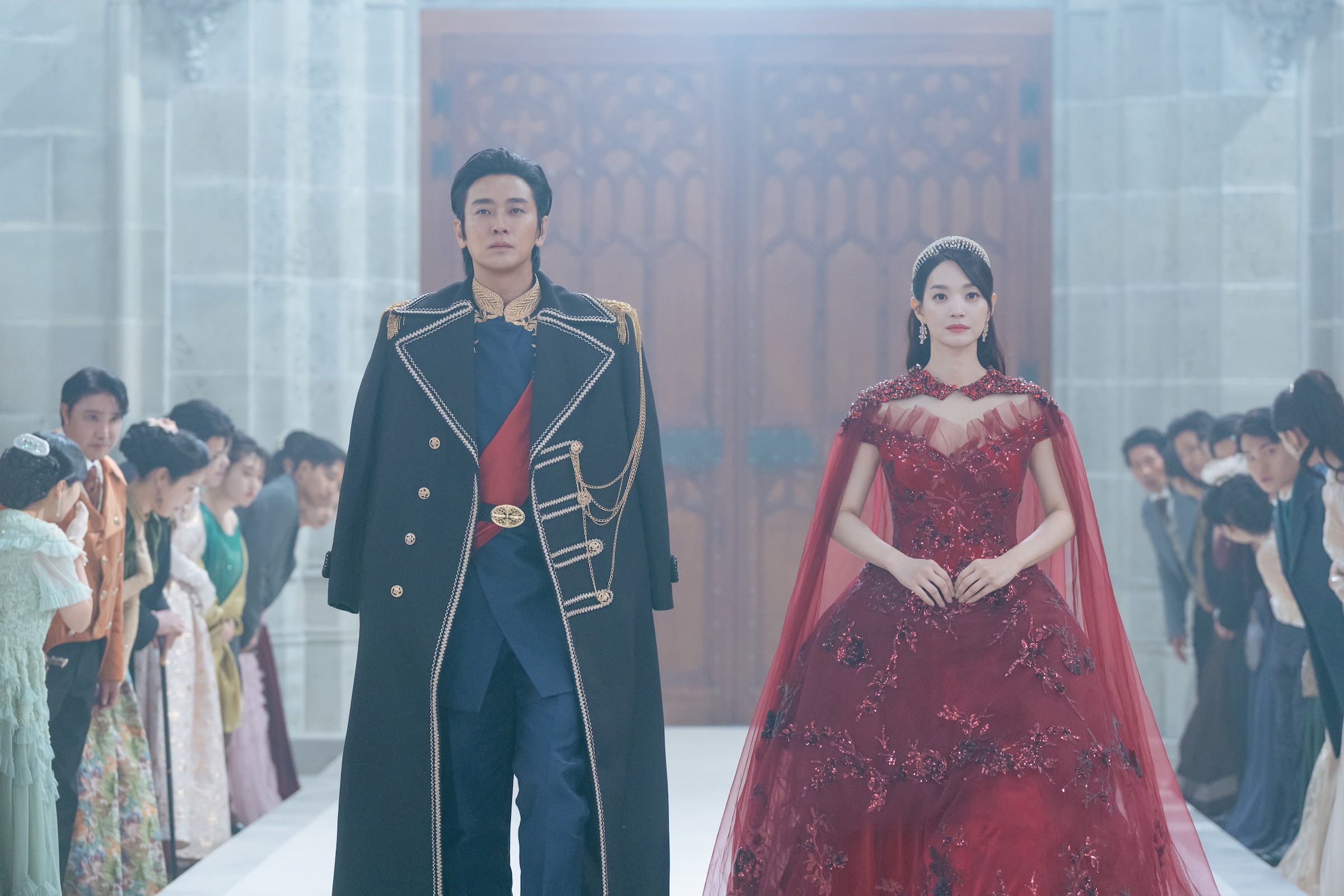
 Baton Rouge, LA, November 25, 2026 — A recent trend, notably “Breaking Down the Ending of The Remarried Empress,” highlights the conclusion of a K-drama adaptation based on a widely read webcomic. The narrative centers on complex royal relationships, political intrigue, and personal upheaval within the fictional empire.
The core conflict of the story involves Empress Navier, who initiates a divorce from Emperor Sovieshu. This decision is prompted by Sovieshu’s deepening affection for Rashta, a character who began as a slave. The separation marks a significant turning point for Navier, who subsequently finds a new romantic prospect and potential marriage in Prince Heinrey, a royal from a neighboring kingdom. Prince Heinrey is distinguished by a unique ability to transform into a bird.
The story’s conclusion depicts Empress Navier and Prince Heinrey making plans to leave the empire. Their departure is set for the Western Kingdom, where they intend to marry and begin a new life together. This move signifies a definitive break from Navier’s past role and her marriage to Sovieshu.
Meanwhile, Emperor Sovieshu is portrayed as remaining in an unstable state following the divorce and Navier’s departure. Rashta ascends to the position of the new Empress. However, her tenure in this elevated role is shadowed by potential manipulation. The character of Lady Albani is identified as a schemer who possesses knowledge of Rashta’s past secrets. This leverage suggests that Rashta’s position as Empress may be precarious and subject to external influence from Lady Albani.
The trending discussion points to the intricate plot developments and character arcs that define the series’ finale, encompassing themes of betrayal, newfound love, and the precarious nature of power, especially when intertwined with hidden histories and manipulation.
Story summarized from the original created by Kayti Burt on time.com, see more information here.
Media gallery


